
The Value of Tin Packaging in Modern Industrial Supply Chains

September 11, 2026 Box Customization
There are three critical priorities for procurement managers and packaging engineers after the evaluation of the global supply chain:
- Product integrity
- Logistic efficiency
- Corporate sustainability
In this regard, tin can packaging remains a benchmark for high-performance packaging under demanding conditions. This packaging offers structural and financial advantages that plastic and flexible pouches can never provide. In this blog, we will understand why tinplate packaging is still one of the primary choices when high-value B2B packaging is required.
Material Science and Structural Physics
Advanced metallurgy is involved in the manufacturing of custom tins. These boxes have low-carbon steel that is coated on both sides with ultra-thin tin that is food-grade. The core of the steel is required for necessary protection, and the tin coating serves as a barrier against oxidation and chemical reactivity. Tin only accounts for 1% of the total packaging weight, but the protection it gives against corrosion is marvellous. You can analyse the layers via the following table:
| Structural Part | Core Feature | Main Benefit | Target Location |
| Steel Core | Thick foundation | High strength | Central base |
| Tin Layers | Sacrificial barrier | Rust defense | Both sides |
| Outer Layer | Protective finish | Brand printing | External surface |
| Inner Layer | Organic lacquer | Food safe | Container inside |
The Role of Advanced Linings Like BPA-NI
For food and cosmetics, the inner lining of the container is important. The custom tin box is coated with bisphenol A non-phthalate polymeric liquids. As these coatings are cross-linked and cured at high temperatures, they create an inert barrier inside the container. Due to the inert coating, acidic food and volatile industrial solvents do not interact with the metal. Thai ensues product purity over extended storage cycles.
Classifications in B2B Packaging
There are two structural designs in custom metal tins. Each design is customized to the specific requirements of products. The table below demonstrates the accurate structure and key benefits of each structure:
| Architecture Type | Body Construction | Key Benefit | Common Use |
| Three piece | Welded seam | High versatility | Solid foods |
| Two piece | Seamless cup | Leak reduction | Carbonated liquids |
High-Speed Manufacturing and Quality Control
For manufacturing and tin can packaging design, high-end and automated systems are used. These systems are capable of producing 2000 units of boxes per minute. There are several distinct phases involved in the manufacturing, such as:
Coil Slitting and Shearing
In this process, heavy rolls of tinplate steel are uncoiled and cut into sheets. These sheets can also be fed directly into high-speed blanking presses for slitting and shearing.
Cupping and Ironing for Two-Piece
For two-piece tin boxes, punching dies are used. These dies create a shallow cup that is pushed to a series of iron rings to form the thin sidewall. All of this is done while maintaining a thick and robust base of custom tins.
Welding and Flanging for Three-Piece
The edges of the sheet are overlapped and joined with the help of high-frequency resistance welding. Fayre those edges are flanged to prepare for end seaming.
Thermal Curing
In this step, the exterior lithographic print and internal lining are applied. The custom printed tins are passed through a high-temperature oven to cross-link the polymers.
100% Non-Destructive Testing
After manufacturing, the cans are passed through an optoelectronic inspection system and a pressure tester. Microscopic pinholes and wall thinning or flanging defects are all detected in this inspection step and rejected before palletisation.
Operational and Logistical Advantages
Whether you are selecting coffee tin can packaging or mushroom tin cans, you will get critical efficiency in risk mitigation across the global supply chain. This directly impacts the total cost of ownership. With this, you will get:
- Hermetic total barrier protection
- Top-tier stacking strength
- Thermal stability in processing
De-Risking the Supply Chain through Circularity
International regulations are becoming stronger around Extended Producer Responsibility (EPR) and single-use plastics. That is why tin plates are getting popular. They are stable and recognized as a permanent material. You can recycle it indefinitely without losing its structural properties and tensile strength. In circular economics, the comparative material performances are as follows:
| Performance Metric | Tinplate Steel | Aluminum | Rigid Plastics |
| Recycling Mechanism | Magnetic Separation | Eddy Current | Optical Sorting |
| Material Degradation | Zero Degradation | Zero Degradation | High Degradation |
| Energy Savings | Sixty Seventy-five | Ninety-five Percent | Twenty-five Thirty |
| Warehouse Stackability | Excellent Rating | Moderate Rating | Low Moderate |
One of the common applications of tin is in the cannabis industry. The high quality and ability to protect the product for a long duration make cannabis tin can packaging brands’ foremost choice. The best thing about metals is that they have magnetic properties that allow their easy separation from waste. This drives high recycling rates globally and helps downstream corporate buyers to comply with international environmental mandates.
Emerging Innovations in Commercial Metal Packaging
The metal packaging sector is growing continuously and evolving to address the cost and performance of packaging requirements across B2B industries. Through improvements in steel purity and precision rolling technologies, brands can reduce the wall thickness of plates by around 25% over the past two decades. This can be done even without any kind of compromise on axial load strength. This can reduce material cost and lower the shipping weight, which will directly reduce transport emissions.
With tin printing, brands can incorporate digital tracking systems. Laser etches data matrix codes, and surface-applied RFID tags allow easy tracking of batches by warehouses. You can also monitor expiry dates and manage inventory easily.
Conclusion
If you are running a business and need custom packaging that has operational reliability and brand reputation, custom tin packaging is the best option. It offers an optimal balance of reliability and brand reputation. You can get barrier protection and circular economy compliance. This high-quality tin box packaging will help you protect the product and reduce transport risks. If you are looking for high-quality tin packaging, then contact Custom Boxes, Market. We manufacture premium boxes at market-competitive rates!
Categories
Recent Posts
22 / October , 2026 Box Printing
21 / October , 2026 Box Printing
16 / October , 2026 Custom Packaging
9 / October , 2026 Packaging Design
2 / October , 2026 Custom Packaging

25 / September , 2026 Packaging Design
21 / September , 2026 Custom Packaging
11 / September , 2026 Box Customization
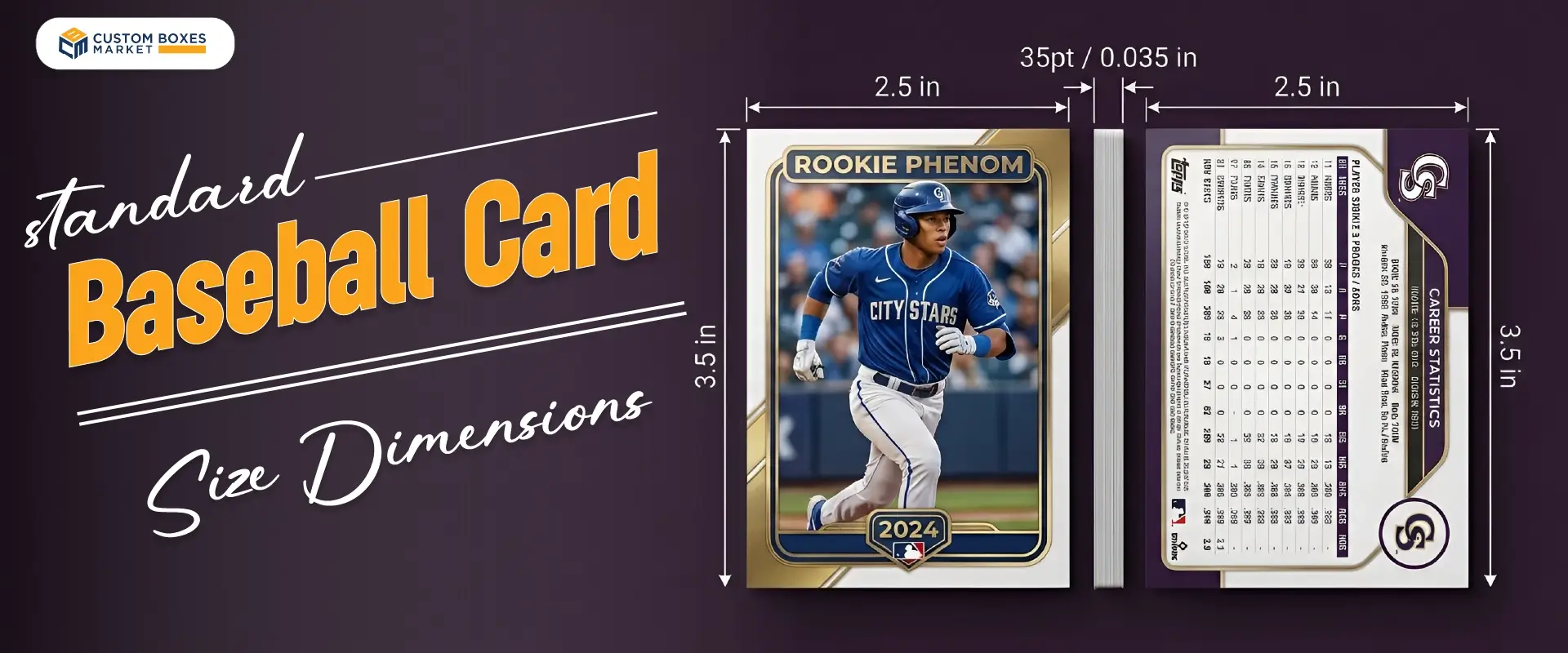
27 / August , 2026 Custom Packaging
13 / August , 2026 Packaging Design
20 / July , 2026 Packaging Design
9 / June , 2026 Custom Packaging