
Key Difference Between Embossing vs. Debossing
October 21, 2026 Box Printing
Your packaging places several roles at one time. It protects the products and presents your brand. You can use the boxes to promote your company and grab the attention of customers. In this regard, there are several types of add-ons used on the boxes. Among these options are embossing and debossing. These two appear similar until the resulting designs are the inverse of each other. In this blog, we will understand these two design elements and learn how they differ.
What Is Embossing?
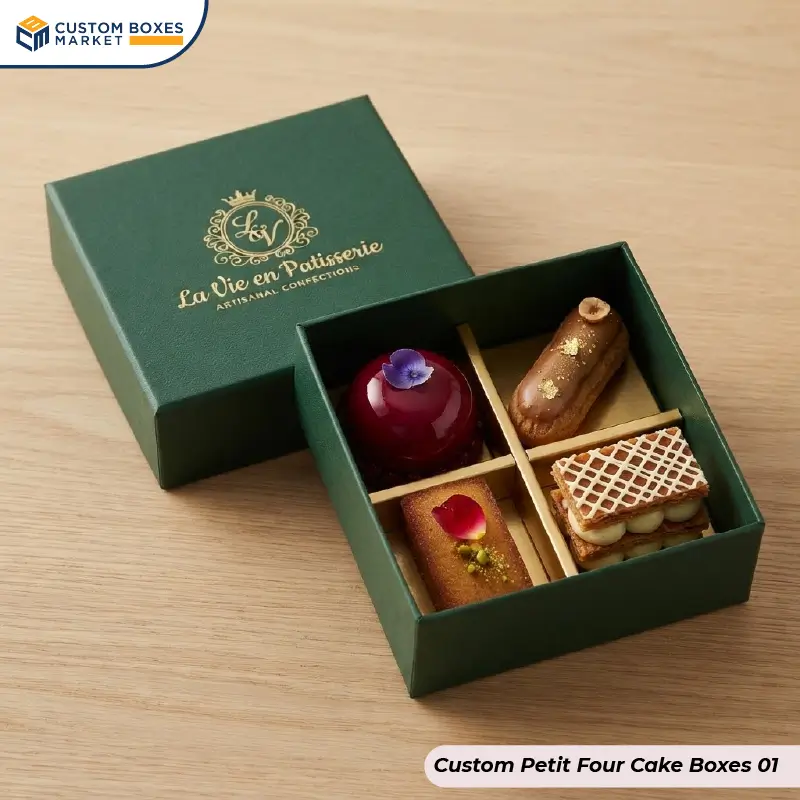
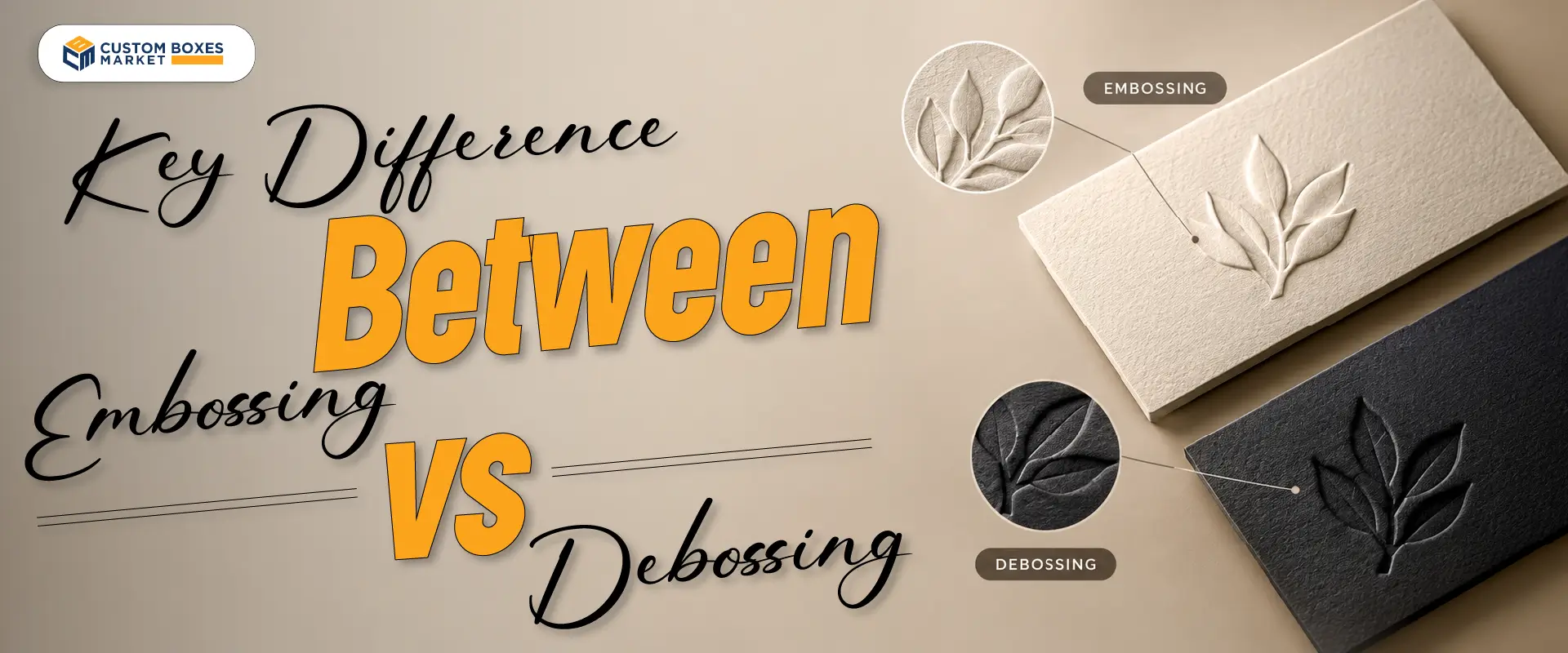
It is a finishing technique that is used to raise the design on the material surface. Packaging manufacturers use pressure and specialized dies to lift the selected areas of the paper and packaging materials. This results in the addition of textures and dimension to the printed designs. A raised logo or artwork gives a premium and distinctive feel when customers handle the packaging. You can also use embossing to create suitable visual impacts through light and shadows.
What Is Debossing?
This is the technique that is used to press the designs below into the material surface. In this, an indentation of the design is created. Debossing gives a recessed effect that adds depth to the marks while maintaining a relatively understated appearance. This is the ebay option for designs that need to have clean and simple lettering. The quality of designs depends on the material’s ability to retain its pressed shape.
Difference Between Embossing vs. Debossing
The main difference between these two techniques is the direction in which the design moves. Embossing raises the whole design and pushes the design below the surface. Both these options give a tactile appearance to the boxes but catch light from different angles.
Surface Appearance
The surface appearance of embossing catches light from an angle that makes the design easier to notice. On the other hand, debossing gives a depressed appearance due to the shadow of light around its edges. When the materials and the artwork are considered, the design looks different in embossing.
Texture and Feel
The raised design in embossing creates a noticeable change in the surface height, and customers can feel the design across their fingers. On the other hand, recessed elements create a tactile experience without raising the material.
Material Compatibility
Both methods can be used on paper-based material, but the results will be different in appearance and quality. Cardstock and rigid materials are perfect and get well-defined impressions. Flexible paper can get wrinkles and tears. Laminated surfaces and coated stocks must also be printed carefully.
Production Costs
Neither of the two techniques is automatically cheaper in every situation. The cost depends on the iE and setup requirements. Besides this, production volume and materials also primarily determine the cost. A simple design will cost more than the multi-level designs in both cases. When you combine either of the two techniques with foil stamping, your production cost will be impacted.
A quick comparison of the two techniques is as follows:
| Feature | Embossing | Debossing |
| Surface effect | Raised | Recessed |
| Visual style | Prominent | Understated |
| Tactile result | Elevated texture | Indented texture |
| Typical purpose | Highlight logos | Add subtle depth |
| Tooling | Custom dies | Custom dies |
| Best design fit | Bold details | Minimal details |
Which Packaging Materials Work Best?
Your selected materials are significant in determining the quality of the final design. No matter what option you choose between emboss vs. deboss, you must consider the material compatibility for quality results:
Cardstock and Kraft
These two are a common choice for custom retail boxes and packaging sleeves. The thickness and surface quality influence the clarity of the finish. If you choose solid bleached sulfate, then you get a smooth surface. Kraft material is also a good option if its thickness ranges from 250 to 300 GSM. However, the natural brown color of kraft slightly affects the visibility of the designs.
Rigid Box Materials
It consists of thick boards wrapped with printed or decorative paper. You can choose either embossing or debossing for the outer wrap, and the result will depend on the thickness of the material. Make sure to assess the outer wrapping paper with the inner boards of rigid boxes, as the finished impression can vary from a single sheet.
Textured Paper
This stock will add a unique character to the boxes. However, a heavily textured paper can reduce the clarity of small lettering via embossing or debossing. So it is better to understand the compatibility of the paper with your selected method.
Coated and Laminated Materials
For coated materials, it is better to test your selected method. Some coatings can tolerate the pressure well, while others can crack and become creased.
Embossing vs. Debossing for Different Products
Among the selection between embossed vs debossed designs, you have to select the one that positively impacts the industry and targeted audience. Choose a finish that supports the packaging’ purpose and he selects drug options. For different products, these two give variable results:
| Packaging Category | Embossing | Debossing |
| Cosmetics | Highlights logos. | Fits minimalism. |
| Jewelry | Catches attention. | Stay clean. |
| Perfume | Emphasizes names. | Adds depth. |
| Food | Decorates boxes. | Preserves barriers. |
| Corporate | Promotes brands. | Subdues finish. |
There are many brands that ask some common questions regarding embossing vs. debossing, such as:
Can embossing and debossing be combined?
Yes! You can use both methods in combination. This approach creates multiple levels of texture to establish visual hierarchy and greater prominence to your packaging. Designers consider the available area and the material thicknesses with die alignment to create the best box designs.
Is embossing better than debossing?
Neither technique is better than the other because the best choice depends on the artwork and desired brand presentation.
Can I use any paper for raised or recessed texture?
No! Consider material thickness and surface texture before selecting embossing and debossing. This will help choose the best stock for designs.
Is embossing more expensive than debossing?
We cannot determine the cost just by the text itself. This is because the design’s complexity and the material with production time all impact the final cost.
Conclusion
Embossing and debossing are the two packaging design techniques that give texture to the boxes. You can select either of the two based on the design requirements. Before placing the bulk order of any texture add-ons, make sure to give consideration to your material and its surface nature. With careful planning, either of the techniques will give a remarkable look to the packaging. You can select Custom Boxes Market for this and get the exclusive packaging boxes with free design consultation.
Categories
Recent Posts
21 / October , 2026 Box Printing
16 / October , 2026 Custom Packaging
9 / October , 2026 Packaging Design
2 / October , 2026 Custom Packaging
25 / September , 2026 Packaging Design
21 / September , 2026 Custom Packaging

11 / September , 2026 Box Customization
27 / August , 2026 Custom Packaging
13 / August , 2026 Packaging Design
20 / July , 2026 Packaging Design
9 / June , 2026 Custom Packaging
4 / March , 2026 Packaging Design