
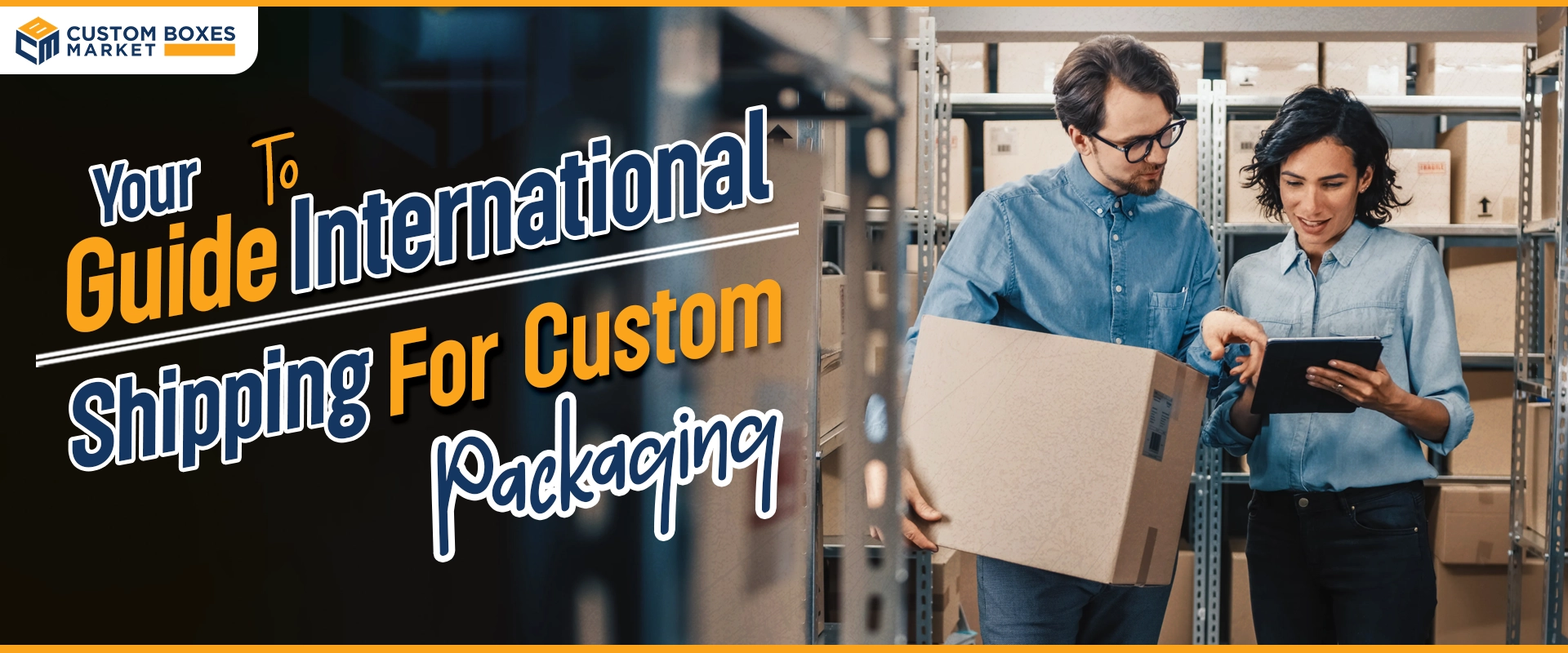
Your Guide to International Shipping for Custom Packaging
October 7, 2025 Shipping Protection
Running an e-commerce or B2B business that requires international shipping? Did you know you’re losing 44% of your customers?
This isn’t about seeing ads and ignoring them. These are people who land on your website or store, and are just 1 click away from placing an order, but because of hidden or unfriendly international shipping options, they don’t click through and move back.
And, this is especially true for international shipping of custom packaging. E-commerce opens up opportunities for businesses. But businesses are unable to connect with their customers simply because of the shipping option.
This makes the buyer (it could be a business or an individual) overwhelmed, and results in mind-numbingly boring talk, and zero sales.
Now, that’s not the case anymore, as one of the top-rated suppliers of custom packaging with 5000+ happy customers globally, provides you with the complete roadmap on the international or inbound shipping, even if you are hearing the term “internal shipping or delivering” for the first time, and don’t know what does it mean when an order says international shipping?
Point to notice: We explain each term from both the seller’s and the buyer’s perspectives to answer their queries. So, let’s start from the nuts and bolts, which means from the very basics:
What Does That Even Mean When an Order States International Shipping?
The process of sending anything physically is called shipping, in simple terms. In other words, if you are buying something from a retailer, that is where the shipping process begins. It is also called the “first steps of getting the items”, and delivery is a last-mile stage, so there is a difference between them.
Now, you understand what shipping is, but you get confused when an order says international shipping.
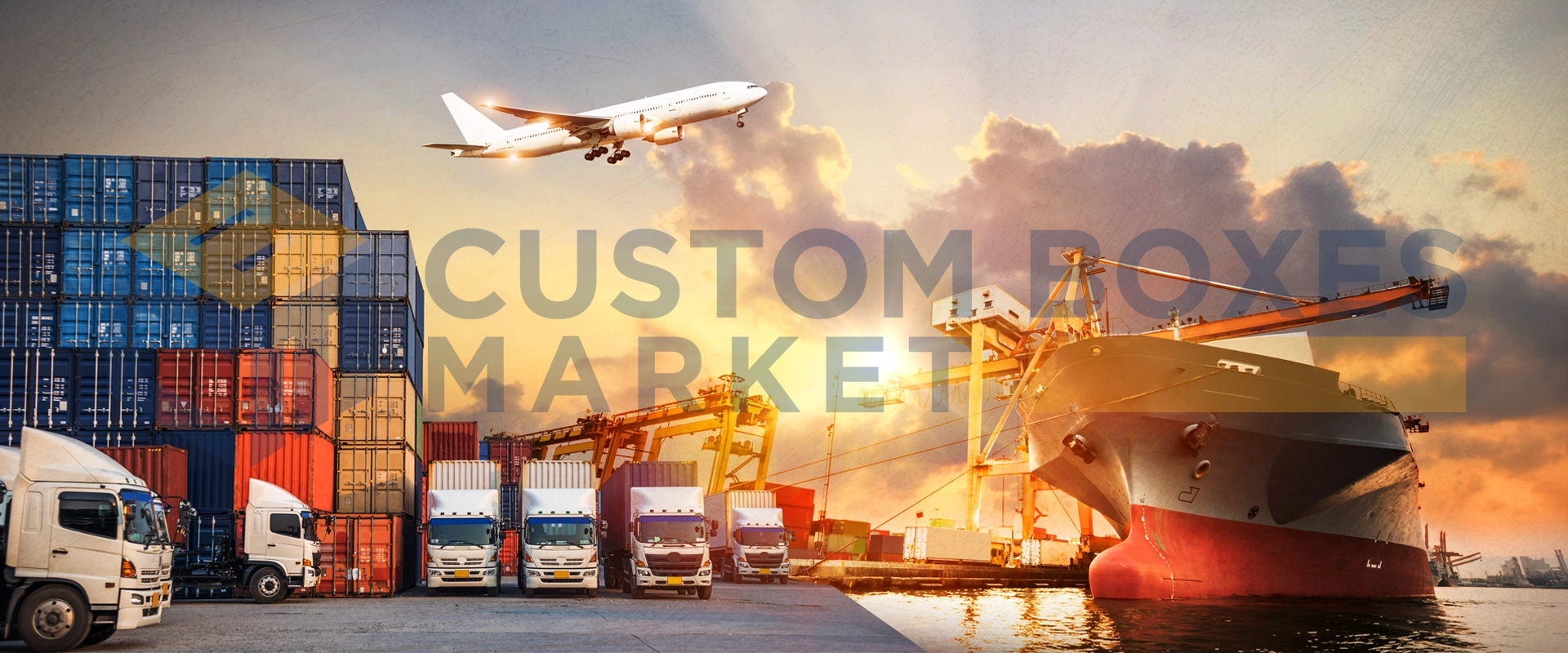
International shipping is the system of sending a product from one country to another. Moreover, it also involves customs, tariffs, and shipping regulations, which are changed region by region.
Importance of International Shipping In E-commerce
In e-commerce, international shipping is beneficial for both buyers and sellers. If we talk about ourselves, as an e-commerce packaging manufacturer, international e-commerce supplies shipping allows us to broaden our audience base, not only us.
Many e-commerce merchants reported that their business increased by 60% by shipping supplies internationally.
On the other hand, buyers anywhere in the world, for instance in North and South America, simply search for the product, compare the prices, and order it. It’s that simple!
These are just a few of the benefits of international supply shipments in e-commerce. Despite that, with this single option, it shifts the traditional business approaches. Sounds too good to be true, right? Let’s figure out the numbers or stats.
Numbers That Never Lie
Selling beyond the borders results in some shocking facts, which include:
- Approximately 2.7 billion online customers are available on the internet, making international shipments a valuable means of reaching them.
- More than 62% of merchants run their cross-border businesses just because of shipping internationally.
- In 2023, e-commerce sales hit $5.8 trillion and are continuously expanding by 20% annually.
- The normal value of an e-commerce order is 7.43% more than a domestic order.
- On average, international sales are higher than domestic by up to 17%.
- 34% of online customers make one purchase in a week, for sure.
Cross-Border Shipping For Both Sellers & Buyers
International or cross-border shipping can occur across various channels. This shows the buyer or seller could be:
- A B2B
- An e-commerce (online) website
- A traditional retail store
Understanding the rules and regulations for both bodies is important to avoid:
- Misconceptions
- Delivery delays
- Prevent money loss
International Shipping Requirements for Buyers
Before buying or importing goods across many countries, buyers must be aware of their country’s legislation and their responsibilities during transportation. So, here are the considerations you need to consider:
Gather Necessary Customs Documentation
Not only in cross-border packaging shipping, gather all the necessary customs documents in essentials.
Imagine you want to market your newly launched product, and you want the packaging that would be beneficial for you from all aspects… protection, presentation, and practicality! Here we would like to mention that if you are looking for exceptional packaging, you should visit our diverse collection of custom packaging by industries.
Back on topic, we’re considering that you found your desired packaging. No? Oh! You’re not here yet. Explore now, search, and design your boxes online.
Alright, you place the order, but at the time of receiving it, you will face several problems or challenges. To prevent these sudden events from happening, here are the documents that you must own:
1. Commercial Invoice
This document contains your personal and order information, which is crucial for you and helpful to customs officials to assess duties, taxes, and legality of entry for your packaged goods. It also contains:
- Seller and buyer information
- Detailed description of goods
- Harmonized System (HS) code for each item
- Quantity and value of the goods
- Reason for export
- Shipping details and Incoterms
- Country of origin
2. Certificate of Origin (COO)
A Certificate of Origin or COO is a document required by customs in the importing country to verify where the goods are manufactured or produced and to verify their eligibility.
3. HS Codes
An HS code is usually a six-digit code, which stands for Harmonized Standard Code. It can be a name or number given to products worldwide, which is used by governments and customs authorities to manage imports and exports.
Check Shipping Restrictions
Every country has its own shipping restrictions for importing or exporting illegal and sensitive products, like:
- Food
- Electronics
- Certain Chemicals
But, in the case of international shipping of packaging suppliers, you don’t need to worry about it.
International Shipping Requirements for Businesses
In importing and exporting, both channels or parties have to be clear and eligible for it. So, it is also crucial for businesses or packaging boxes manufacturers and suppliers to meet the regulations, which include:
Basic International Packaging Standards to Meet First
For exporters, meeting the packaging standards of international organizations may be the most important. Without marking the rules and regulations, trade cannot be successful. These are just the basic principles set by authorities like:
- WCO (World Customs Organization)
- ISO (International Organization for Standardization)
The law states that there are only two main factors that you will need to meet first. If you meet, then we are likely sure that no single package will face delays or come back. These include:
- Packaging: To ensure that the box in which the product is packed is protective.
- Labelling: Proper labeling is required, such as manufacturing information, country of origin, and where to ship.
- Environmental Elements: This standard clearly states that businesses must promote a sustainable business approach by using eco-friendly packaging.
Export Packaging Regulations Region by Region
For the buyers, they just need to meet their country’s import standards, but for sellers, they will need to fulfill exporting regulations of the countries to which they want to ship supplies, which are changed region by region, such as:
| Country/Region | Regulatory Bodies |
| United States | U.S. Customs, OSHA, FDA |
| United Kingdom | DEFRA, UKCA Marking (Post-Brexit) |
| Canada | CFIA, Environment and Climate Change Canada (ECCC) |
| Australia | Australian Packaging Covenant, DAFF |
These are just a few, but major countries’ export regulation authorities. Each has its own specific requirement, which you can familiarize yourself with by reading our guide on international shipping packaging regulations.
Necessary Export Documentation for International Shipment
Similar to buyer importing documentation, sellers also have the necessary export documentation for flawless cross-border shipping. Here is the paperwork needed to ship internationally:
- Commercial Invoice: It is a record with the necessary documents, mostly used in customs, as it acts as a record between the buyer and the seller.
- Certificates of Origin: As mentioned earlier, this is a document that indicates where the products were manufactured, eliminating all your concerns about whether you need to put a customs declaration on a package.
- ISPM-15 Certification: Established by IPPC, this makes it essential for exporters to use international standard wood pulp in packaging to prevent the spread of pests.
How to Build an International Shipping Strategy?
Building an internal shipping process strategically is crucial for smooth and headache-free selling, which helps you not only to hold the existing customers but also capture new ones, creating a win-win situation for businesses by boosting sales by up to 50%.
These are not just a random strategy and are going to be a mind-numbingly boring process, in fact that the same structure many packaging suppliers follow, including us (CustomBoxesMarket).
This process is only for businesses, suppliers, or sellers to create a complete roadmap on how to ship internationally in 6 simple steps:
1. Choose the Right Carrier
First things first, you will need to find a reliable and right carrier. Finding the perfect option includes comparing factors like:
- Price
- Speed
- Destination
Based on our personal experience and Reddit users’ reviews, we found out UP, USPS, FedEx, and DHL are affordable, fastest, and first-class service providers.
2. Understand Shipping Regulations
This is the most important step to understand the shipping regulations of the country/region you want to ship your order to. Each has its own rules or restrictions, so while shipping abroad, consider them first.
3. Prepare & Seal Your Package Properly
This step decides how your order will be presented to the customs and regulatory bodies. If it meets their standards, your packaging will be on its way to its destination. Otherwise, stand up to welcome it for turning back. So, make sure your shipment is sturdily packed and properly sealed.
4. Create a Shipping Label
Next, all you need to generate the shipping label. It includes sender and recipient addresses, tracking number, and other relevant information.
5. Complete Customs Documentation
Custom forms are necessary, so fill them out accurately. It includes the same exact documents we discussed earlier, like a commercial invoice or a certificate of origin.
6: Ship the Package
Finally, drop off the packaging bundle at the shipping company’s location that you have selected or settle for a pick-up.
How Can You Accurately Determine International Shipping Costs?
Determining the exact shipping cost will help you offer customers a fair packaging price. For example, the finished product, in our case, would be a box, which costs $1, and the customer orders 100 boxes as a MOQ, which not anyone offer except us; we offer 100 boxes as a lower MOQ of 100 pieces at wholesale prices.
So, $1×100 pc = $100, simple! Would you offer this price to the customer, or include the shipping cost, unless you are offering free shipping? On a related note, we also offer free shipping!
But you still need to make it clear how much it costs to ship packages from anywhere to everywhere. This will help you avoid overcharging customers or being too kind to them by paying for their shipping cost out of your own pocket, right?
Therefore, here are the factors you use to calculate international shipping rates:
- Package Weight and Dimensions
- Destination Country
- Shipping Method and Speed
- Customs Duties and Fees
By using this cost calculating formula or steps, you can find out the shipping costs when merchandising online or shipping all over the world.
Final Thoughts
When shopping online or shipping globally, both the purchaser and the merchant need to pay attention to three principles, which include:
- Clearance
- Transparency
- Meet the standards of the authorities
Because if a channel doesn’t match it, the shipment won’t reach its destination.
People ask, Is shipping internationally easy or hard? The answer is “partial”, yeah! In a way, yes or no. It all depends on you; no matter whether you are a buyer or a seller, you must meet the regulations.
Packaging sellers or manufacturers need to meet the above requirements and develop an international shipping strategy. On the other hand, buyers (B2B, an e-commerce, or a retail store) need to have some necessary custom documentation.
So if they both meet that, enjoy the business by growing the business (for the sellers) and experience one-size-fits-all packaging (for the buyers).
Choose CustomBoxesMarket for Export-Ready Packaging!
Looking for elegant packaging for your newly launched products, but don’t want to take the international shipment headaches? You are at the right place! Choose CustomBoxesMarket as a reliable, top-notch, and trustworthy packaging partner or supplier and reach 2.7 billion online customers who are waiting for brands… like you!
Beta feature
Categories
Recent Posts

4 / March , 2026 Packaging Design

19 / February , 2026 Box Customization

16 / February , 2026 Box Material

3 / February , 2026 Gift Boxes

26 / January , 2026 Gift Boxes
6 / January , 2026 Sustainable Packaging
3 / December , 2025 Packaging Stats
17 / November , 2025 Custom Packaging

14 / November , 2025 Product By Industry

4 / November , 2025 Shipping Protection

28 / October , 2025 Custom Packaging
9 / October , 2025 Custom Packaging
Get Free Quote
Related Products